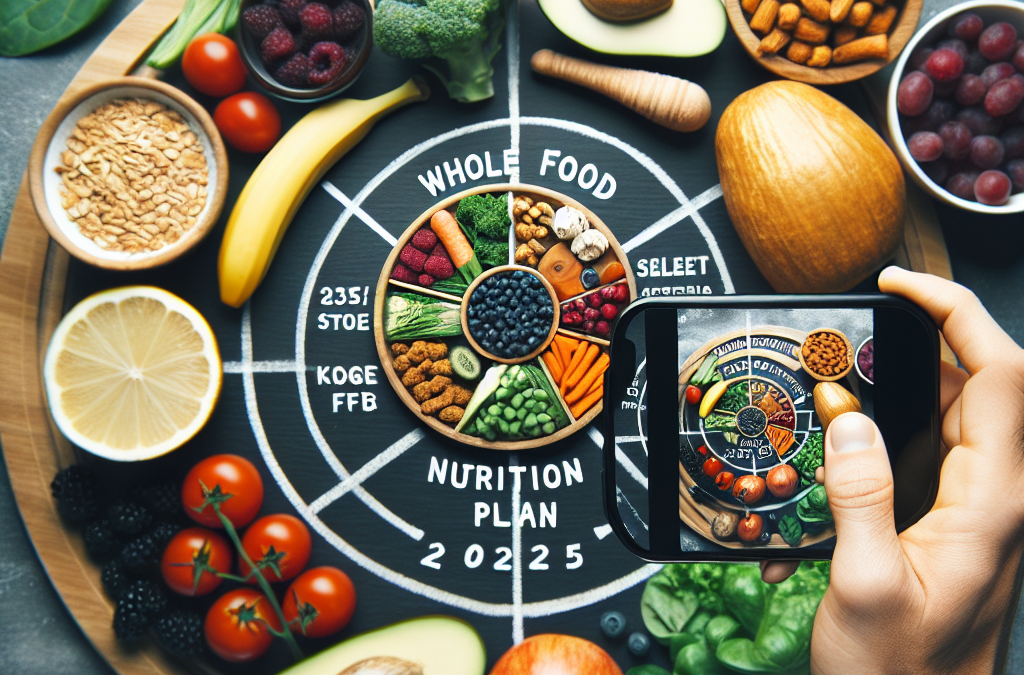
Many individuals struggle with weight loss due to misconceptions about dieting. The common mistake is focusing solely on calorie restriction rather than the quality of food consumed. Whole foods contain essential nutrients that not only support fat loss but also improve overall well-being. Prioritizing these foods can lead to a more satisfying and effective weight management strategy.
Nutrient-Dense Foods: The Foundation of Fat Loss
Nutrient-dense foods should be at the core of any fat loss strategy. These foods provide essential vitamins and minerals without excessive calories. Examples include leafy greens, berries, nuts, and lean meats. By prioritizing these options, you can feel fuller longer while fueling your body with what it needs.
Choosing nutrient-dense foods over empty calories is crucial. Many people mistakenly believe that eating less is the solution, but what you eat matters significantly. Foods high in sugar and refined carbs can lead to spikes in hunger and cravings, making it harder to maintain a calorie deficit. Focus on integrating a variety of colorful vegetables, whole grains, and healthy fats into your meals.
Understanding Macronutrients: Balance is Key
Macronutrients—proteins, fats, and carbohydrates—play essential roles in your diet. Each macronutrient affects your body differently, particularly when it comes to fat loss. Proteins help build and repair muscle, fats provide energy and support hormone regulation, while carbohydrates are vital for fueling workouts and daily activities.
Balancing these macronutrients is essential for sustainable fat loss. Many diets fail because they overly restrict one type of macronutrient. For instance, while low-carb diets can lead to quick results, they may not be sustainable long-term. Aim for a balanced intake, adjusting according to your activity level, dietary preferences, and personal health goals.
Common Pitfalls in Weight Loss Strategies
One of the biggest challenges in weight loss is navigating misinformation and unrealistic expectations. Many diets promise quick results but fail to address the long-term changes needed for success. Additionally, reliance on processed “diet” foods can derail your efforts by introducing hidden sugars and unhealthy fats.
A smart reader should recognize that weight loss is a marathon, not a sprint. It’s important to set realistic goals and understand that consistency is key. Focus on creating healthy habits instead of quick fixes. This approach not only aids in fat loss but also promotes a healthier relationship with food.
Huge Discount on the Best Certified Organic Whole Food Supplement!
Real-World Applications: Meal Planning for Success
Effective meal planning is essential for integrating the best whole foods into your diet. Start by mapping out your week’s meals, ensuring each meal contains a balance of macronutrients. Incorporate foods like quinoa, chicken, avocados, and a variety of vegetables to create satisfying and nutritious dishes.
Consider your lifestyle when planning meals. Busy schedules may require quick, easy-to-prepare options. Batch cooking and prepping ingredients in advance can save time and help you stay on track. Moreover, don’t forget to include snacks—healthy options like nuts or yogurt can prevent hunger and maintain energy levels throughout the day.
Frequently Asked Questions
What are whole foods?
Whole foods are natural foods that are minimally processed and free from artificial ingredients, such as fruits, vegetables, whole grains, nuts, and lean proteins.
How do whole foods support fat loss?
Whole foods provide essential nutrients that help regulate hunger and metabolism, making it easier to maintain a calorie deficit for fat loss.
Can I lose weight on a high-carb whole food diet?
Yes, you can lose weight on a high-carb whole food diet as long as you focus on complex carbohydrates and maintain a balanced intake of macronutrients.
What role do healthy fats play in fat loss?
Healthy fats can help you feel full longer, regulate hormones, and provide essential fatty acids, which can all support weight loss efforts.
Is calorie counting necessary for fat loss?
While calorie counting can be helpful, focusing on the quality of your food choices is often more impactful for sustainable fat loss.
Further Reading
Authoritative Sources
- NIH Office of Dietary Supplements
ods.od.nih.govEvidence-based information on vitamins, minerals, supplements, and nutrition-related questions.
- USDA FoodData Central
fdc.nal.usda.govUSDA nutrient data for foods and ingredients used in nutrition decisions.
- Harvard T.H. Chan School of Public Health Nutrition Source
hsph.harvard.eduPublic health nutrition guidance and educational resources.
Conclusion
Incorporating the best whole foods for fat loss support is a powerful way to enhance your weight management efforts. Prioritize nutrient-dense options, maintain a balanced intake of macronutrients, and avoid common pitfalls in dieting. By making informed choices and planning meals effectively, you can create a sustainable approach to achieving your fat loss goals. Start today by evaluating your current diet and making small, manageable changes that lead to lasting results.
Huge Discount on the Best Certified Organic Whole Food Supplement!