
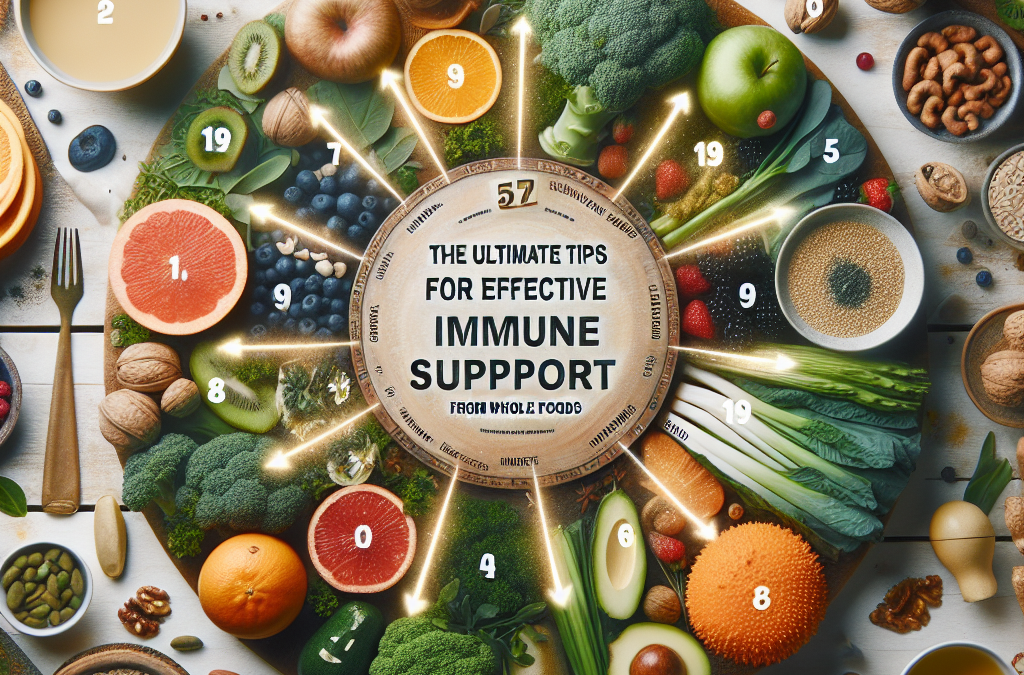
Whole foods serve as a powerful ally in achieving rapid improvements in health and well-being. By focusing on nutrient-dense options like fresh fruits, vegetables, whole grains, and lean proteins, individuals can experience a range of benefits that contribute to feeling better fast. This approach not only enhances physical health but also positively influences mental and emotional states.
However, many people struggle with misconceptions about what constitutes whole foods and how to incorporate them effectively into their diets. Common mistakes include relying on processed foods that claim to be healthy or neglecting the importance of variety in their meals. Understanding the real stakes involved in choosing whole foods is essential for making informed decisions that genuinely enhance health.
The Nutritional Power of Whole Foods
Whole foods are packed with vitamins, minerals, antioxidants, and fiber, which are essential for optimal bodily function. These nutrients support various physiological processes, including immune response, energy production, and mental clarity. The absence of artificial additives and preservatives in whole foods further enhances their health benefits.
Prioritizing whole foods can be transformative, but many people overlook their impact on energy levels and mood. For instance, consuming processed snacks may lead to blood sugar spikes and crashes, leaving individuals feeling fatigued and irritable. Instead, focusing on whole food options like fruits and nuts can provide sustained energy and improved mental focus.
Common Pitfalls in Whole Food Choices
Despite the clear advantages, many individuals fall into traps when selecting whole foods. One common issue is the misconception that all natural foods are healthy. For example, fruit juices, while derived from whole fruits, often lack the fiber and may contain excessive sugars.
Another pitfall is the tendency to stick to a limited selection of foods. A diverse diet is crucial for obtaining a wide range of nutrients. Relying heavily on a few items can lead to deficiencies and hinder the overall health benefits one might expect from whole foods.
Practical Tips for Incorporating Whole Foods
Incorporating whole foods into your diet doesn’t have to be daunting. Start by gradually replacing processed snacks with fresh fruits, vegetables, and whole grains. Meal prepping can also be an effective strategy to ensure that you always have healthy options available.
Consider the following tips for making whole foods a staple in your diet:
Huge Discount on the Best Certified Organic Whole Food Supplement!
- Plan your meals around seasonal produce to maximize freshness and flavor.
- Experiment with new recipes that highlight whole ingredients.
- Keep healthy snacks on hand to avoid reaching for processed options.
Real-World Benefits of Whole Foods
Incorporating whole foods into your diet can yield immediate benefits, such as increased energy and improved digestion. Many people report feeling more alert and less bloated after making the switch from processed to whole foods. Additionally, the anti-inflammatory properties of many whole foods can help alleviate common health issues such as joint pain and digestive discomfort.
Moreover, the long-term benefits of maintaining a whole food diet include a reduced risk of chronic diseases, better weight management, and enhanced mental health. Understanding these real-world applications can empower individuals to make better dietary choices.
Frequently Asked Questions
What are whole foods?
Whole foods are natural foods that are minimally processed, such as fruits, vegetables, whole grains, nuts, and lean proteins, retaining their essential nutrients.
How quickly can I feel the effects of eating whole foods?
Many people report feeling improved energy levels and better digestion within a few days of incorporating whole foods into their diet.
Can whole foods help with weight loss?
Yes, whole foods are typically lower in calories and higher in fiber, which can help promote satiety and support weight loss efforts.
Are there any downsides to eating whole foods?
The main challenge may be the time and effort required for meal preparation, but the health benefits often outweigh these considerations.
How can I start incorporating whole foods into my diet?
Begin by replacing processed snacks with whole food options and gradually meal prepping with fresh ingredients to make healthy eating more convenient.
Further Reading
Authoritative Sources
Conclusion
Incorporating whole foods into your diet is a practical and effective strategy for feeling better fast. By focusing on nutrient-dense options and avoiding common pitfalls, you can experience immediate benefits in energy and overall health. Prioritize variety, meal planning, and fresh ingredients to maximize the advantages of whole foods in your daily life. Start today by making small changes that can lead to significant improvements in your well-being.
Huge Discount on the Best Certified Organic Whole Food Supplement!

