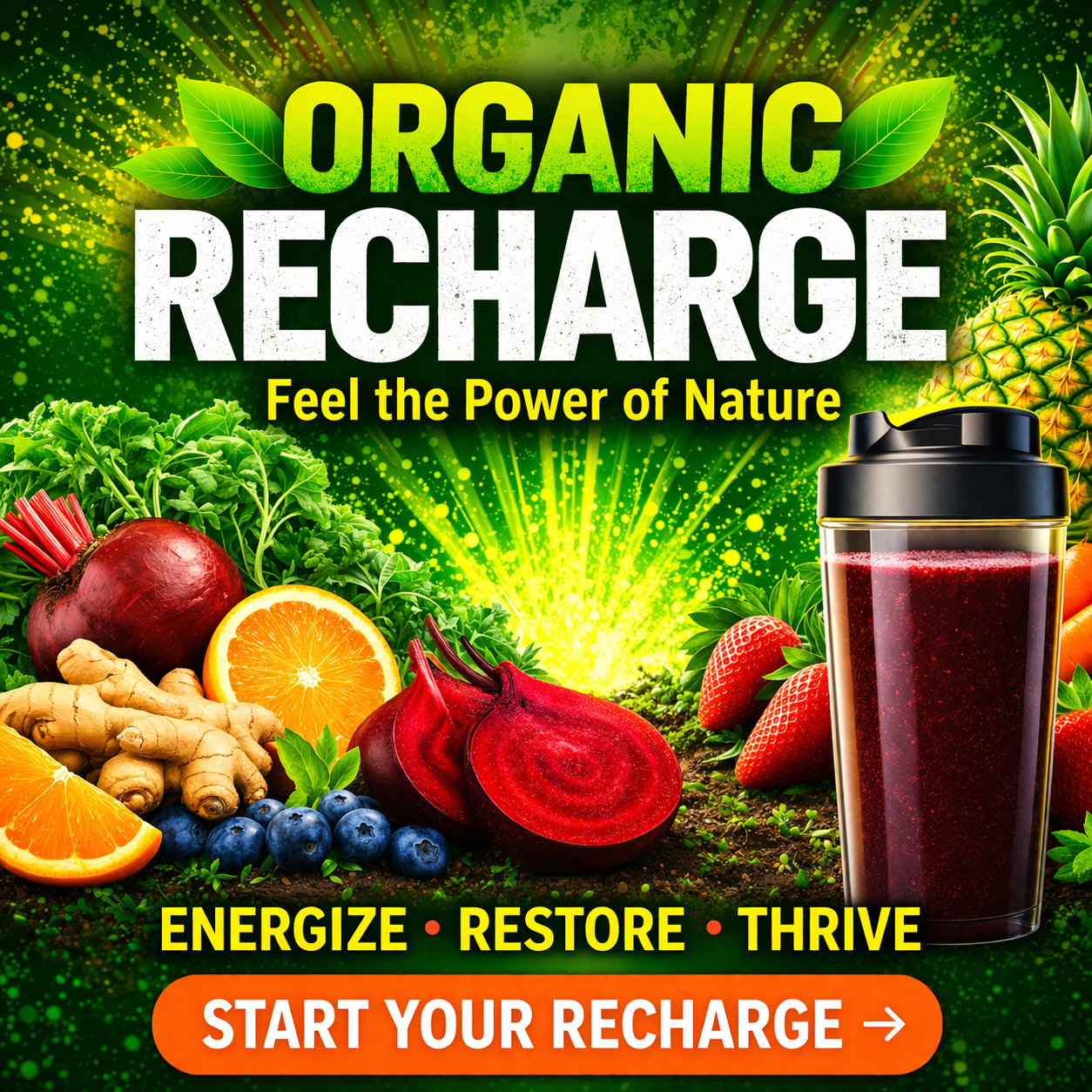
Whole foods are not just a trend; they represent a foundational approach to nutrition that can significantly aid in healthy weight loss. These foods, which include fruits, vegetables, whole grains, nuts, and seeds, are minimally processed and packed with essential nutrients. By incorporating a variety of whole foods into your diet, you can create a balanced eating plan that supports your weight loss goals without feeling deprived.
However, many people struggle with weight loss because they often overlook the impact of processed foods and added sugars in their diets. Common mistakes include relying heavily on calorie counting without considering food quality, which can lead to nutrient deficiencies and unsustainable eating habits. Understanding the difference between whole foods and processed options is crucial for making informed dietary choices that facilitate long-term success.
Understanding Whole Foods and Their Benefits
Whole foods are defined as foods that are unprocessed and unrefined or processed and refined as little as possible. This means they retain their natural nutrients and are free from artificial additives and preservatives. The benefits of whole foods extend beyond weight loss; they also improve overall health, enhance energy levels, and support mental clarity. Nutrient density is a key factor here, as whole foods provide a high amount of vitamins, minerals, and antioxidants relative to their calorie content.
When focusing on weight loss, it’s important to consider how these foods impact satiety. Whole foods, particularly those high in fiber, help keep you feeling full longer, reducing the likelihood of overeating. Additionally, the variety of flavors and textures found in whole foods can make meals more enjoyable, which is essential for maintaining a healthy diet in the long run.
How Whole Foods Affect Weight Loss
The relationship between whole foods and weight loss is multifaceted. First, whole foods are typically lower in calories compared to processed foods, allowing you to eat larger portions while consuming fewer calories overall. This can create a caloric deficit, which is essential for weight loss. Moreover, the fiber found in whole foods aids digestion and helps regulate blood sugar levels, which can prevent cravings and energy crashes.
Another important aspect is the metabolic boost that whole foods can provide. Foods rich in protein, such as legumes and nuts, require more energy to digest, which can increase your metabolic rate. This thermogenic effect can aid in burning more calories throughout the day, further supporting weight loss efforts. Prioritizing whole foods over processed options can lead to a more balanced diet and a healthier lifestyle.
Practical Tips for Incorporating Whole Foods
To successfully integrate whole foods into your diet, start by gradually replacing processed foods with whole alternatives. Focus on adding more fruits and vegetables to your meals, aiming for a variety of colors to maximize nutrient intake. Consider meal prepping with whole grains like quinoa or brown rice, and incorporate healthy fats from sources like avocados and nuts.
It’s also beneficial to read labels carefully. When shopping, choose items with minimal ingredients and avoid those with added sugars or artificial additives. Planning your meals around whole foods not only helps in weight loss but also fosters a healthier relationship with food. Remember, the goal is to create sustainable habits that support your long-term health.
Huge Discount on the Best Certified Organic Whole Food Supplement!
Common Pitfalls to Avoid
While adopting a whole foods approach can be highly beneficial, there are common pitfalls to be aware of. One major mistake is assuming that all whole foods are automatically healthy. For example, nuts are nutritious but calorie-dense, so portion control is essential. Similarly, whole grain products can still be high in calories and should be consumed in moderation.
Another pitfall is neglecting variety. Eating a limited range of whole foods can lead to nutrient deficiencies. Ensure that your diet includes a wide array of foods to cover all essential nutrients. All in all, avoid the trap of thinking that simply eating whole foods will guarantee weight loss; it’s crucial to maintain a balance of caloric intake and expenditure through physical activity.
Further Reading
Authoritative Sources
- A Whole Food Plant-Based Diet Is Effective for Weight Loss
pmc.ncbi.nlm.nih.govBy “walling off your calories,” preferentially deriving your macronutrients from structurally intact plant foods, some calories remain trapped …
- Whole Foods Diet Allows Folks To Eat More While Cutting …
powershealth.orgIt turns out that people on a whole foods diet naturally lean toward eating a lot more fruit and veggies, rather than higher-calorie whole food …
- 11 Reasons Why Real Foods Help You Lose Weight
healthline.comReal foods are better sources of protein since they are less processed and typically have more protein and less fat.
- Why a Whole Food Diet Aids Weight Loss – Kelly Powers
kellyepowers.comA diet rich in whole foods results in fewer nutrient deficiencies when compared to the Standard American Diet which is high in processed foods, refined sugars …
- Whole Foods Weight Loss Eating Plan
midlandprimarycare.comA whole foods diet controls the intake of refined sugars and flour and encourages the intake of whole, unprocessed food, allowing your …
- Whole Foods for Weight Loss and Weight Management
nutritionhealthworks.comWhole foods are rich in fiber, protein, and essential micronutrients, all of which contribute to satiety and metabolic efficiency. Fiber, for …
- Nutrition for Weight Loss 10 Reasons Why Whole Foods …
premierweightloss.comA diet rich in whole foods supports balanced hormones and helps the body regulate appetite and energy use more effectively. 8. Whole Foods …
Frequently Asked Questions
What are whole foods?
Whole foods are foods that are minimally processed and free from artificial ingredients, including fruits, vegetables, whole grains, nuts, and seeds.
How do whole foods help with weight loss?
Whole foods tend to be lower in calories and higher in fiber, promoting satiety and reducing the likelihood of overeating.
Can I eat whole foods and still gain weight?
Yes, consuming large portions of even healthy whole foods can lead to weight gain if caloric intake exceeds caloric expenditure.
What are some examples of whole foods?
Examples include fresh fruits and vegetables, legumes, whole grains, nuts, and seeds.
How can I start incorporating more whole foods into my diet?
Begin by gradually replacing processed snacks with whole foods, meal prepping with whole grains, and including a variety of fruits and vegetables in your meals.
Conclusion
Incorporating whole foods into your diet is a powerful strategy for supporting healthy weight loss. By focusing on nutrient-dense, minimally processed options, you can enhance satiety, boost metabolism, and promote overall well-being. Remember to prioritize variety to ensure you receive all essential nutrients and be mindful of portion sizes to maintain a caloric balance. Start making small adjustments today, and you’ll be on your way to a healthier lifestyle.
Huge Discount on the Best Certified Organic Whole Food Supplement!