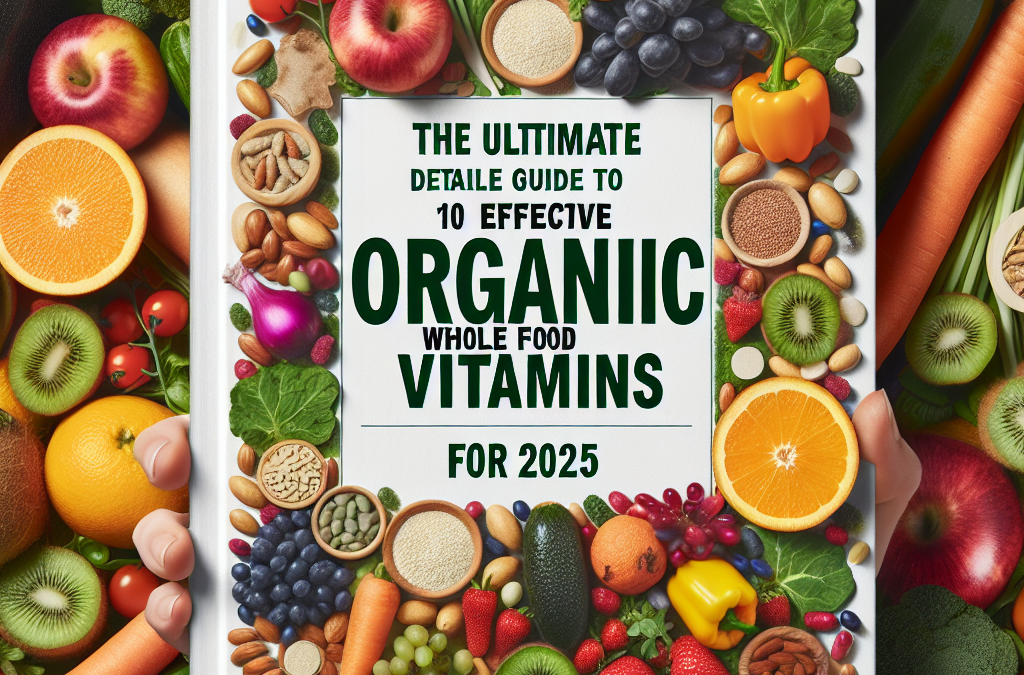
Incorporating whole foods into your diet is not just about reducing cholesterol; it can also enhance overall well-being. Many people overlook the importance of fiber, particularly soluble fiber found in oats, beans, and fruits, which binds to cholesterol in the digestive system and helps eliminate it. Furthermore, whole foods are typically lower in saturated fats and devoid of trans fats, which are known to raise cholesterol levels.
Understanding Cholesterol and Its Impact on Health
Cholesterol is a waxy substance found in your blood that is essential for building cells. However, high levels of LDL cholesterol can lead to serious health issues, including heart disease and stroke. It is crucial to understand the difference between LDL and high-density lipoprotein (HDL), often termed “good” cholesterol, which helps remove LDL from the bloodstream. Maintaining a balance between these two types of cholesterol is vital for overall cardiovascular health.
Many people are unaware of the factors that contribute to high cholesterol levels. Genetics, diet, and lifestyle choices all play a significant role. While some may be predisposed to high cholesterol due to family history, diet and exercise are areas where individuals can make impactful changes. Prioritizing a diet rich in whole foods can be a game-changer in managing cholesterol levels effectively.
Key Whole Foods for Lowering Cholesterol
Several whole foods have been shown to lower cholesterol levels effectively. Foods rich in soluble fiber, such as oats, barley, beans, lentils, and certain fruits like apples and pears, can help reduce cholesterol absorption in the bloodstream. Additionally, fatty fish, such as salmon and mackerel, provide omega-3 fatty acids, which can lower triglycerides and improve heart health.
Incorporating nuts and seeds, particularly almonds and flaxseeds, into your diet can also contribute to lowering cholesterol levels. These foods contain healthy fats and fiber that promote heart health. Remember, moderation is key; while nuts are healthy, they are also calorie-dense, so be mindful of portion sizes.
- Oats
- Beans and lentils
- Fruits like apples and pears
- Fatty fish (salmon, mackerel)
- Nuts and seeds (almonds, flaxseeds)
How to Incorporate Whole Foods into Your Diet
Incorporating whole foods into your daily diet can be straightforward and enjoyable. Start by making small changes, such as swapping out white bread for whole grain, adding beans to salads, or incorporating more fruits and vegetables into meals. Meal prepping can also help you stay on track by ensuring you have healthy options readily available.
When grocery shopping, focus on the perimeter of the store, where whole foods are typically located. Avoid aisles filled with processed foods, as these tend to be higher in unhealthy fats and sugars. Reading labels can also help you make informed choices about the food you consume. Prioritizing whole foods over processed options will not only aid in lowering cholesterol but also improve overall health.
Huge Discount on the Best Certified Organic Whole Food Supplement!
For those looking to explore this topic further, consider checking reputable sources that delve into nutrition and heart health. The American Heart Association and the National Institutes of Health provide valuable information on diet and cholesterol management.
Frequently Asked Questions
What are whole foods?
Whole foods are foods that are minimally processed and free from artificial ingredients, including fruits, vegetables, whole grains, nuts, and seeds.
How do whole foods lower cholesterol?
Whole foods lower cholesterol primarily through their high fiber content, which helps to reduce cholesterol absorption in the bloodstream.
Can I eat fats while trying to lower cholesterol?
Yes, focus on healthy fats such as those found in nuts, seeds, and fatty fish, while avoiding trans fats and limiting saturated fats.
How quickly can I see changes in cholesterol levels?
Changes in cholesterol levels can occur within a few weeks of adopting a whole foods diet, but significant improvements may take several months.
Should I consult a doctor before making dietary changes?
Yes, it is advisable to consult a healthcare professional before making significant dietary changes, especially if you have pre-existing health conditions.
Further Reading
Authoritative Sources
- Library of Congress Research Guides
guides.loc.govResearch guides that help readers locate reliable background sources on a wide range of subjects.
- USA.gov Official Information and Services
usa.govOfficial U.S. government information and public resources for practical reference.
- Google Scholar
scholar.google.comAcademic search resource for finding research literature and source material.
Conclusion
Ultimately, adopting a diet rich in whole foods can significantly impact cholesterol levels and overall heart health. Prioritize incorporating soluble fiber-rich foods, healthy fats, and a variety of fruits and vegetables into your meals. Avoid processed foods to maximize the benefits of a whole food diet. By making these dietary changes, you can take proactive steps toward managing your cholesterol and enhancing your long-term health.