
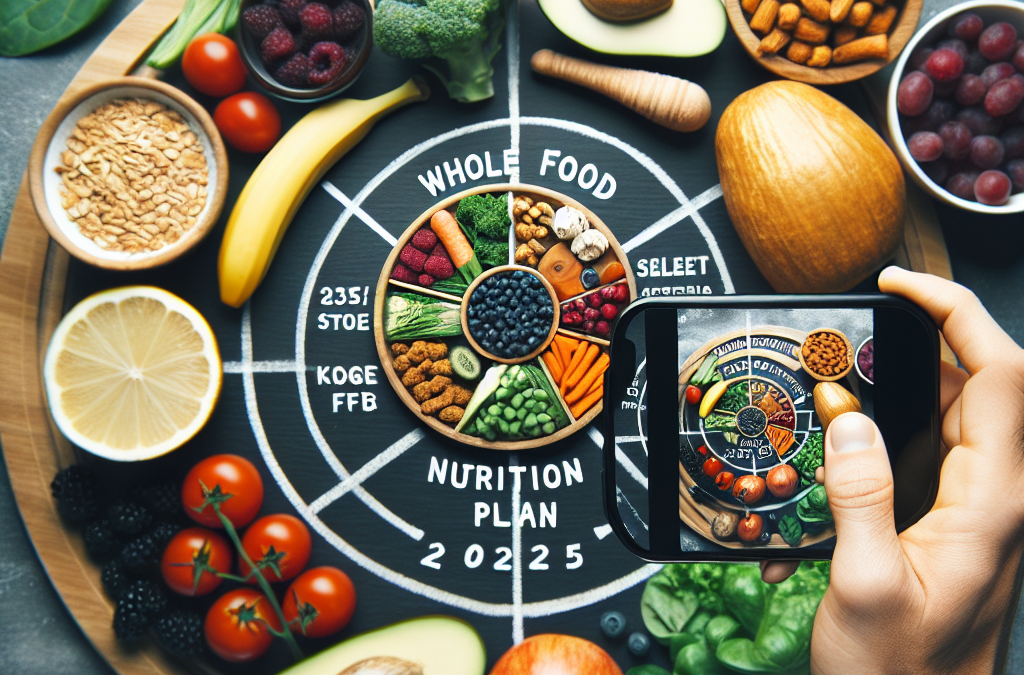
Whole foods are pivotal in promoting healthy digestion due to their rich nutrient profiles and high fiber content. Unlike processed foods, which often lack essential vitamins and can lead to digestive discomfort, whole foods like fruits, vegetables, whole grains, and legumes provide the body with the necessary tools to optimize gut function. By focusing on these foods, individuals can experience quicker digestive improvements, leading to enhanced overall health.
However, many people struggle with understanding how to effectively incorporate whole foods into their diets. Common mistakes include over-relying on fiber without adequate hydration, consuming too many raw foods without proper preparation, or failing to balance macronutrients. It’s crucial for readers to recognize that while whole foods are beneficial, they also require mindful consumption and a tailored approach based on individual dietary needs.
The Role of Fiber in Digestion
Fiber is a cornerstone of digestive health, as it aids in regular bowel movements and helps maintain a healthy gut microbiome. Whole foods are typically high in soluble and insoluble fiber, both of which serve different yet complementary functions in digestion. Soluble fiber dissolves in water, helping to regulate blood sugar levels and lower cholesterol, while insoluble fiber adds bulk to stools and promotes movement through the digestive tract.
Many individuals mistakenly believe that consuming high amounts of fiber alone will solve their digestive issues. However, it’s essential to gradually increase fiber intake while ensuring adequate hydration. Without sufficient water, high fiber consumption can lead to bloating and discomfort. Therefore, a balanced approach that includes both types of fiber, alongside plenty of fluids, is vital for optimal digestion.
Choosing the Right Whole Foods
Selecting the right whole foods can make a significant difference in digestive efficiency. Foods like leafy greens, berries, oats, and legumes are not only nutrient-dense but also packed with fiber that can promote gut health. Incorporating a variety of colors and types ensures a broad spectrum of nutrients, which is crucial for maintaining gut flora and overall digestive health.
One common pitfall is sticking to a limited range of whole foods, which can lead to nutrient deficiencies and an imbalance in gut bacteria. To avoid this, readers should aim to diversify their meals by experimenting with different whole grains, seasonal fruits, and vegetables. This not only enhances digestion but also makes meals more enjoyable and satisfying.
Common Pitfalls to Avoid
When transitioning to a diet rich in whole foods, several pitfalls can hinder progress. One major issue is the misconception that all whole foods are inherently healthy. For instance, some whole grain products may still contain added sugars or unhealthy fats. It’s essential to read labels and choose minimally processed options.
Another common mistake is neglecting the importance of preparation. Cooking certain whole foods, like legumes, can significantly improve their digestibility by breaking down anti-nutrients that inhibit absorption. Therefore, readers should focus on both the selection and preparation methods of whole foods to maximize their digestive benefits.
Huge Discount on the Best Certified Organic Whole Food Supplement!
Practical Tips for Incorporation
To efficiently incorporate whole foods into daily meals, start by planning a weekly menu that includes a variety of whole food options. Batch cooking grains and legumes can save time and ensure that nutritious ingredients are readily available. Additionally, consider using whole foods as the base for meals, layering them with proteins and healthy fats for balanced nutrition.
It’s also beneficial to keep a food diary to track how different whole foods affect digestion. This approach allows readers to identify which foods work best for their bodies and make informed choices. Remember, the goal is to create a sustainable eating pattern that prioritizes whole foods while being adaptable to individual preferences and lifestyles.
Further Reading
Authoritative Sources
- 12 Tips to Improve Digestion Naturally for Better Gut Health
healthline.comEat whole, unprocessed foods · Increase your fiber consumption · Add healthy fat · Drink plenty of fluids · Try mindful eating · Chew slowly …
- 3 Ways to Improve Gut Health with Whole Foods
bastyr.eduPapaya. Papaya contains papain, an enzyme that helps digest protein; it may also help prevent heartburn, and relieve constipation. · Pineapple.
- 5 Foods to Improve Your Digestion
hopkinsmedicine.orgLeafy greens, such as spinach or kale, are excellent sources of fiber, as well as nutrients like folate, vitamin C, vitamin K and vitamin A. Research shows that …
- The Best (and Worst) Foods for Keeping Your Gut Moving
stvincents.org1. Whole grains. Oats, brown rice and whole wheat bread are simple ways to boost fiber – and your digestion will thank you.
- Repair your gut slowly with whole foods
uclahealth.orgResearch also shows that herbs and spices can give a meaningful boost to the gut. These flavor enhancers, such as garlic, cinnamon, turmeric and …
- Whole Foods for Digestion Relief
thrivingwellbeing.comIn summary, eat it regularly for two weeks to improve digestion. 4. Drink apple, lemon, or orange juice after meals; or eat an apple after each …
- From Fuel to Stool: 5 Tips to Speed Up Digestion
conehealth.comFiber-rich foods such as whole grains, leafy vegetables and fresh fruits will add bulk to your feces and help stimulate the bowel to push food along.
Frequently Asked Questions
What are whole foods?
Whole foods are minimally processed foods that retain most of their natural nutrients, including fruits, vegetables, whole grains, nuts, and seeds.
How do whole foods improve digestion?
Whole foods improve digestion by providing essential nutrients, fiber, and enzymes that support gut health and facilitate smoother digestion.
Can I eat too many whole foods?
Yes, overconsumption of even healthy whole foods can lead to digestive discomfort, particularly if fiber intake is increased too quickly without adequate hydration.
What are some examples of whole foods?
Examples include fruits like apples and berries, vegetables such as spinach and broccoli, whole grains like quinoa and brown rice, and legumes like lentils and chickpeas.
How can I start incorporating whole foods into my diet?
Begin by planning meals that include a variety of whole foods, and gradually increase your intake while ensuring proper hydration and balance.
Conclusion
Incorporating whole foods into your diet is a powerful strategy for improving digestion quickly and effectively. By understanding the role of fiber, selecting diverse whole foods, and avoiding common pitfalls, you can create a sustainable eating pattern that supports your digestive health. Prioritize gradual changes and monitor how your body responds, leading to a more enjoyable and healthful relationship with food.
Huge Discount on the Best Certified Organic Whole Food Supplement!

