
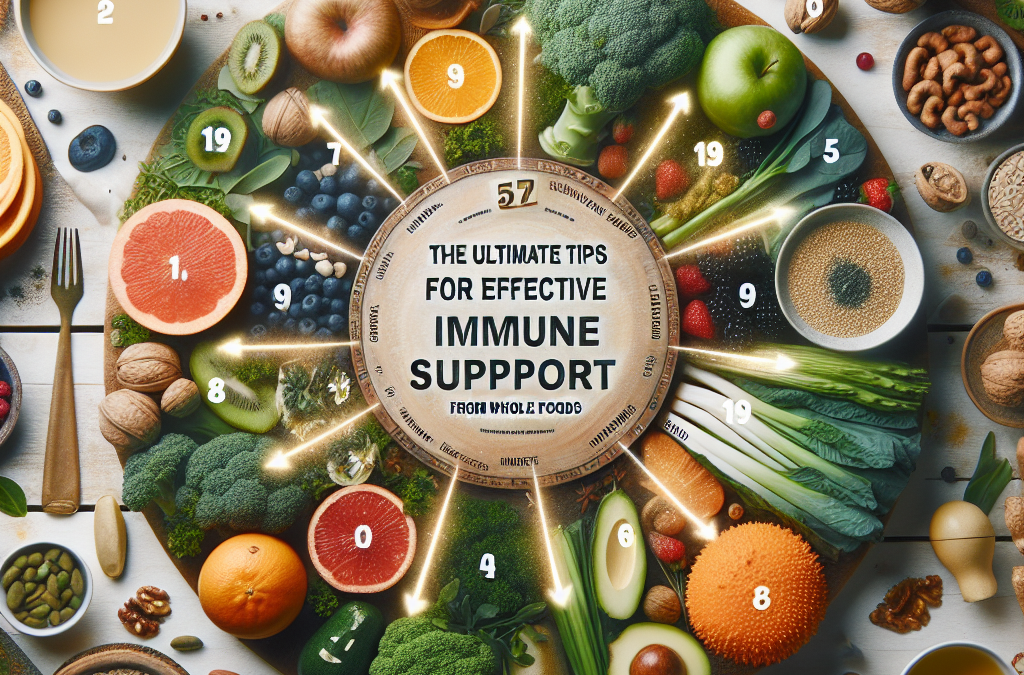
Understanding the benefits of whole foods is essential for beginners looking to improve their health and well-being. Whole foods, which include fruits, vegetables, whole grains, nuts, and seeds, provide essential nutrients and are generally free from artificial additives. The shift to a whole food diet can lead to better energy levels, improved digestion, and enhanced overall health.
However, many newcomers often struggle with the transition from processed foods to whole foods. Common pitfalls include underestimating the time needed for meal prep and the potential for feeling overwhelmed by the variety of choices available. Recognizing these challenges is crucial for making informed dietary changes that stick.
Understanding Whole Foods
Whole foods are foods that are as close to their natural state as possible. This means they are minimally processed and free from artificial ingredients. Common examples include fresh produce, whole grains, and unprocessed meats. Understanding the definition of whole foods is the first step in making healthier choices.
When transitioning to a whole food diet, it’s important to recognize that not all whole foods are created equal. Some may be more nutrient-dense than others, and the quality can vary based on sourcing and handling. Prioritizing organic and locally sourced options can often yield better nutritional benefits.
Benefits of Whole Foods
Whole foods offer numerous health benefits that can significantly improve your quality of life. They are rich in vitamins, minerals, and antioxidants, which play crucial roles in disease prevention and health maintenance. Additionally, whole foods tend to be lower in calories and higher in fiber, which can aid in weight management.
Many individuals report increased energy levels and better mental clarity when they shift to a whole food diet. However, it’s also important to be mindful of balance; simply switching to whole foods doesn’t guarantee health improvements if overall dietary habits are not considered. Focus on integrating a variety of whole foods to maximize nutrient intake.
How to Incorporate Whole Foods
Incorporating whole foods into your diet can be both simple and rewarding. Start by gradually replacing processed snacks with whole food alternatives like fruits, nuts, or yogurt. Planning meals in advance can help you avoid the temptation of convenience foods.
Cooking at home is another effective way to ensure you’re consuming whole foods. By preparing meals from scratch, you control the ingredients and can experiment with new recipes. Consider investing in meal prep containers to make this process easier and more efficient.
Huge Discount on the Best Certified Organic Whole Food Supplement!
Common Mistakes to Avoid
One of the biggest mistakes beginners make when transitioning to whole foods is not being patient with themselves. It can take time to adapt to new eating habits, and expecting immediate results can lead to frustration. Focus on gradual changes rather than an all-or-nothing approach.
Another common pitfall is failing to read labels carefully. Even foods marketed as “natural” can contain additives that detract from their whole food status. Always check ingredient lists to ensure you are making truly healthy choices.
Further Reading
Authoritative Sources
- MedlinePlus
medlineplus.govConsumer-friendly medical and health information from the U.S. National Library of Medicine.
- National Institutes of Health
nih.govResearch-based health information and links to authoritative medical resources.
- Centers for Disease Control and Prevention
cdc.govOfficial public health guidance, prevention resources, and topic-specific recommendations.
- Mayo Clinic
mayoclinic.orgTrusted clinical guidance, symptom explainers, and treatment overviews.
- World Health Organization
who.intGlobal health guidance, fact sheets, and evidence-based public health information.
Frequently Asked Questions
What are whole foods?
Whole foods are natural foods that are minimally processed and free from artificial ingredients. Examples include fresh fruits, vegetables, whole grains, and unprocessed meats.
Why should I switch to whole foods?
Switching to whole foods can enhance your nutrition, improve energy levels, support weight management, and reduce the risk of chronic diseases.
How can I start incorporating whole foods?
Begin by replacing processed snacks with whole food options, planning meals ahead of time, and cooking at home to control ingredients.
Are all whole foods equal?
No, the nutritional value of whole foods can vary. Prioritize organic and locally sourced options for the best health benefits.
Can I still eat processed foods?
It’s best to limit processed foods, but you don’t have to eliminate them entirely. Focus on moderation and balance in your diet.
Conclusion
Transitioning to a whole food diet offers numerous benefits, including improved health and energy levels. By understanding what whole foods are, how to incorporate them into your meals, and avoiding common pitfalls, you can make sustainable changes that enhance your well-being. Start small, stay patient, and prioritize variety to make the most of your whole food journey.
Huge Discount on the Best Certified Organic Whole Food Supplement!

