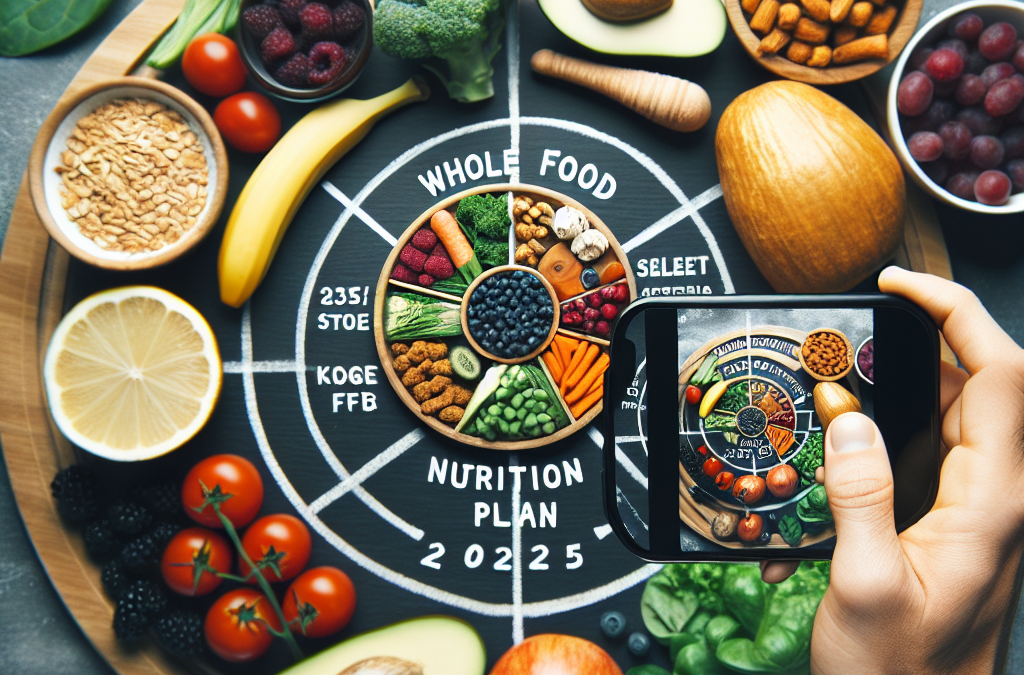
To effectively combat inflammation through diet, focusing on whole foods is key. These foods not only nourish the body but also play a crucial role in reducing chronic inflammation, which is linked to numerous health issues such as heart disease, diabetes, and arthritis. By choosing the right foods, you can enhance your well-being and lower your risk of these conditions.
Many individuals mistakenly believe that dietary changes require drastic measures or complicated meal plans. However, the truth is that simple adjustments can yield significant benefits. Incorporating a variety of whole foods that are known for their anti-inflammatory properties can be straightforward and enjoyable. Prioritizing these foods in your diet allows for flexibility while fostering a healthier lifestyle.
Top Anti-Inflammatory Whole Foods
Several whole foods stand out for their powerful anti-inflammatory effects. These include:
- Berries: Rich in antioxidants, they help reduce oxidative stress.
- Fatty Fish: High in omega-3 fatty acids, which are known to lower inflammation.
- Leafy Greens: Packed with vitamins and minerals that support immune function.
- Nuts: Provide healthy fats and protein, contributing to overall health.
- Spices like Turmeric: Contains curcumin, a potent anti-inflammatory compound.
Understanding the unique benefits of these foods can help you make informed choices. For instance, while berries may be a sweet treat, their antioxidant properties make them a powerful ally against inflammation. Similarly, incorporating fatty fish into your meals can provide essential nutrients that your body needs to combat inflammation effectively.
Understanding the Mechanism of Inflammation
Inflammation is a natural response by the body to injury or infection. However, chronic inflammation can lead to serious health problems. It’s important to recognize which foods can help mitigate this response. Foods high in sugar and processed ingredients often promote inflammation, while whole foods tend to provide the opposite effect.
A smart approach is to prioritize whole, unprocessed foods while minimizing intake of inflammatory foods. This means being mindful of added sugars and refined grains, which can exacerbate inflammation. By understanding the mechanisms behind inflammation, you can better navigate your dietary choices.
How to Incorporate These Foods into Your Diet
Making changes to your diet doesn’t have to be overwhelming. Start by gradually incorporating these anti-inflammatory foods into your meals. For example, you can add berries to your breakfast, opt for fatty fish instead of red meat a few times a week, and include leafy greens in your salads.
Huge Discount on the Best Certified Organic Whole Food Supplement!
Another practical tip is to experiment with spices like turmeric and ginger in your cooking. These can easily enhance the flavor of your dishes while providing significant health benefits. Consider meal prepping to make it easier to include these foods regularly without much effort.
For those looking to dive deeper into the topic of anti-inflammatory foods and their benefits, consider exploring reputable sources such as nutrition-focused websites or health journals. They often provide in-depth articles and studies that can help expand your understanding.
Frequently Asked Questions
What are the best whole foods for reducing inflammation?
The best whole foods include berries, fatty fish, leafy greens, nuts, and spices like turmeric.
How does inflammation affect health?
Chronic inflammation is linked to various health issues, including heart disease, diabetes, and arthritis.
Can I eat processed foods while trying to reduce inflammation?
It’s best to minimize processed foods as they often contain added sugars and unhealthy fats that can promote inflammation.
How quickly can anti-inflammatory foods make a difference?
While individual results vary, many people notice improvements in their symptoms within weeks of incorporating anti-inflammatory foods.
Is it necessary to completely eliminate certain foods?
While not necessary to eliminate all inflammatory foods, reducing their intake can significantly benefit your health.
Further Reading
Authoritative Sources
Conclusion
Incorporating the best whole foods for anti-inflammatory benefits into your diet can lead to significant improvements in your health. Focus on a variety of nutrient-rich foods while being mindful of those that may cause inflammation. By making these changes, you can enhance your overall well-being and reduce the risk of chronic diseases. Start small, and gradually build a diet that supports your health goals.
Huge Discount on the Best Certified Organic Whole Food Supplement!