
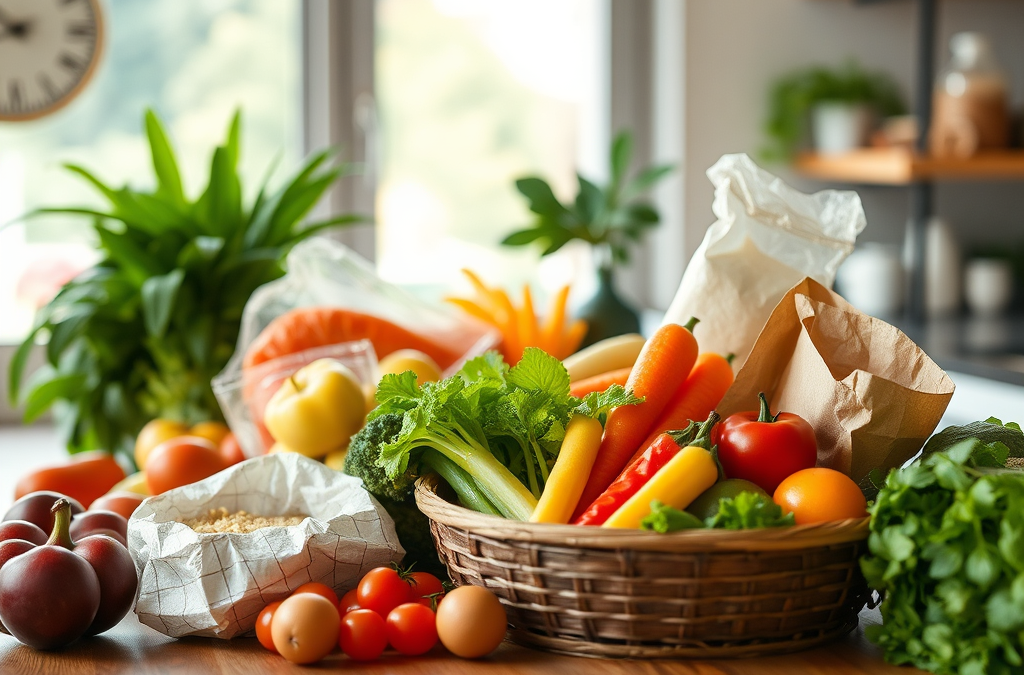
Integrating whole foods into your daily routine involves incorporating fresh fruits, vegetables, whole grains, and lean proteins into your meals while reducing processed foods. Start by planning your meals around whole ingredients, using them in snacks, and preparing simple recipes that highlight their flavors and benefits. Common mistakes include relying on convenience foods or not having a variety of whole foods on hand, which can lead to boredom and reduced adherence. By gradually replacing processed options with whole foods and making them easily accessible, you can enhance your nutrition and overall health.
Understanding Whole Foods
Whole foods are foods that are minimally processed and free from artificial ingredients and additives. They include fresh fruits, vegetables, whole grains, nuts, seeds, and legumes. Understanding what constitutes whole foods is crucial for integrating them into your daily routine, as they provide essential nutrients, support overall health, and reduce the risk of chronic diseases. Whole foods are rich in vitamins, minerals, fiber, and antioxidants, which are often lost in heavily processed foods.
To effectively incorporate whole foods, it’s important to recognize their benefits. For instance, fruits and vegetables not only provide essential vitamins but also contribute to hydration and digestive health due to their fiber content. Whole grains, such as quinoa and brown rice, offer sustained energy and can help maintain blood sugar levels. By focusing on these foods, you can create a balanced diet that promotes health and wellness.
Meal Planning for Whole Foods
Effective meal planning is a fundamental step in successfully integrating whole foods into your daily routine. Start by dedicating time each week to plan your meals around whole foods. This might involve selecting recipes that feature seasonal fruits and vegetables, whole grains, and lean proteins. By planning ahead, you can ensure that you have all the necessary ingredients on hand and reduce the likelihood of reaching for processed snacks or meals.
When meal planning, consider batch cooking or prepping ingredients in advance. This can involve washing and chopping vegetables, cooking grains in bulk, or preparing healthy snacks like hummus or nut butter to pair with fruits and veggies. Having these items readily available will make it easier to choose whole foods when you’re short on time. Additionally, creating a shopping list based on your meal plan can help you stay focused and avoid impulse purchases of processed foods.
Practical Tips for Daily Integration
Integrating whole foods into your daily routine can be made easier with some practical tips. First, start your day with a whole food breakfast, such as oatmeal topped with fresh fruits or a smoothie made with leafy greens, bananas, and nut butter. This sets a positive tone for the day and encourages you to continue making healthy choices.
Throughout the day, aim to incorporate whole foods into your snacks and meals. For example, replace chips with sliced vegetables and hummus or choose whole grain crackers with avocado. When dining out, look for menu items that emphasize whole ingredients, and don’t hesitate to ask for modifications to make your meal healthier.
Experimenting with new recipes that highlight whole foods can also keep your meals exciting. Try incorporating different grains like farro or barley, or explore diverse cooking methods such as roasting, grilling, or steaming vegetables. By diversifying your meals, you can maintain interest and adherence to your whole food diet.
Common Mistakes to Avoid
While integrating whole foods into your routine, it’s important to avoid common pitfalls that can hinder your progress. One major mistake is underestimating the importance of variety. Eating the same fruits and vegetables repeatedly can lead to boredom and may cause you to revert to processed options. Aim to incorporate a rainbow of colors in your diet to ensure you’re getting a wide range of nutrients.
Another common mistake is failing to prepare for busy days. If you don’t have whole foods readily available, you may find yourself turning to convenience foods. Make it a habit to keep healthy snacks on hand, such as nuts, yogurt, or pre-cut fruits. Lastly, be mindful of portion sizes. Whole foods are healthy, but consuming them in excessive amounts can still lead to imbalances in your diet.
For additional insights into integrating whole foods into your daily routine, consider exploring resources from reputable organizations such as the USDA’s MyPlate, which provides guidance on balanced eating, or the Academy of Nutrition and Dietetics for expert advice on nutrition.
Huge Discount on the Best Certified Organic Whole Food Supplement!
Frequently Asked Questions
What are whole foods?
Whole foods are minimally processed foods that retain their natural nutrients, such as fruits, vegetables, whole grains, nuts, and seeds.
How can I start incorporating whole foods into my diet?
Begin by planning your meals around whole foods, preparing snacks in advance, and gradually replacing processed foods with whole food alternatives.
Are there specific whole foods I should focus on?
Focus on a variety of fruits, vegetables, whole grains like quinoa and brown rice, and lean proteins such as legumes and fish to ensure a balanced diet.
How can I make whole foods more exciting?
Experiment with different cooking methods, try new recipes, and incorporate a variety of spices and herbs to enhance the flavors of whole foods.
What are some common mistakes when transitioning to whole foods?
Common mistakes include not having enough variety, failing to prepare for busy days, and consuming excessive portions of healthy foods.
Conclusion
Integrating whole foods into your daily routine is a valuable step towards improving your overall health and nutrition. By understanding what whole foods are, planning your meals effectively, and avoiding common mistakes, you can make this transition smoother. Focus on variety, preparation, and excitement in your meals to maintain your commitment. Start small, and gradually increase your intake of whole foods, leading to lasting changes in your dietary habits and health outcomes.
Huge Discount on the Best Certified Organic Whole Food Supplement!
Further Reading
Authoritative Sources
- Library of Congress Research Guides
guides.loc.govResearch guides that help readers locate reliable background sources on a wide range of subjects.
- USA.gov Official Information and Services
usa.govOfficial U.S. government information and public resources for practical reference.
- Google Scholar
scholar.google.comAcademic search resource for finding research literature and source material.

