
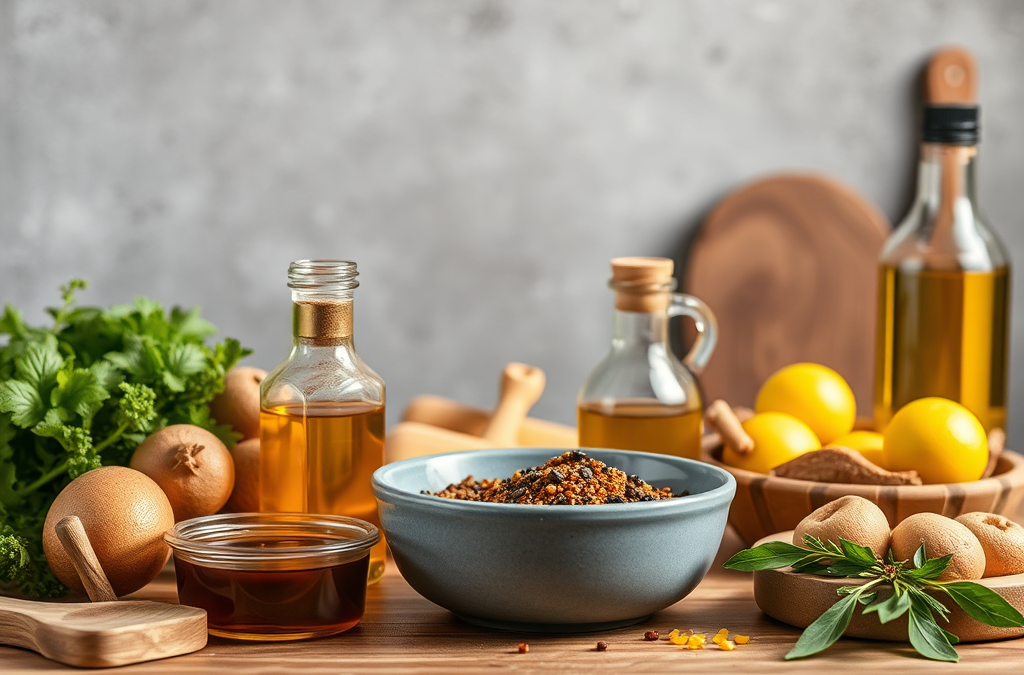
Different cooking oils can greatly affect whole food nutrition by influencing how nutrients are absorbed and their overall health benefits. For instance, oils like olive and avocado are high in monounsaturated fats, which not only support heart health but also enhance the absorption of fat-soluble vitamins. On the other hand, oils rich in saturated fats, such as coconut oil, can potentially increase cholesterol levels if consumed excessively. To maximize the nutritional value of your meals, it’s advisable to choose oils that align with your health goals, focusing on those that provide beneficial fats while limiting those that may pose health risks.
Understanding Cooking Oils
Cooking oils play a crucial role in food preparation, not only affecting flavor but also impacting nutritional value. Different oils contain varying types of fats, which can influence health outcomes. Understanding the composition of these oils helps in making informed choices that align with dietary goals.
The primary types of fats found in cooking oils are saturated, monounsaturated, and polyunsaturated fats. Saturated fats, often solid at room temperature, can raise LDL cholesterol levels, while unsaturated fats are generally liquid and considered heart-healthy. Oils rich in omega-3 and omega-6 fatty acids, such as flaxseed and sunflower oil, offer additional health benefits.
Nutritional Profiles of Common Oils
Each cooking oil has a unique nutritional profile that affects its health implications. Here’s a closer look at some popular oils:
- Olive Oil: Rich in monounsaturated fats, antioxidants, and anti-inflammatory properties, olive oil is linked to heart health and improved nutrient absorption.
- Coconut Oil: High in saturated fats, coconut oil may raise cholesterol levels. While it has antimicrobial properties, moderation is key for heart health.
- Canola Oil: Contains a balanced ratio of omega-3 and omega-6 fatty acids, making it a versatile oil with a neutral flavor.
- Avocado Oil: Similar to olive oil, it is high in monounsaturated fats and vitamins E and K, supporting cardiovascular health and skin health.
- Flaxseed Oil: A rich source of omega-3 fatty acids, flaxseed oil is beneficial for reducing inflammation and supporting heart health.
Understanding these nutritional profiles can help individuals select oils that align with their health goals and dietary needs.
Impact on Whole Food Nutrition
The choice of cooking oil can significantly affect the nutritional quality of whole foods. Oils can enhance the absorption of fat-soluble vitamins like A, D, E, and K, which are essential for various bodily functions. For instance, pairing vegetables with a healthy oil can improve the availability of these nutrients.
Moreover, the cooking method and temperature can alter the chemical structure of oils. High-heat cooking methods, such as frying, can produce harmful compounds in some oils, while others, like olive oil, are more stable under heat. This instability can lead to oxidative stress, which may have negative health implications.
Huge Discount on the Best Certified Organic Whole Food Supplement!
Choosing oils with high smoke points, such as avocado oil, for high-heat cooking can minimize these risks while maximizing nutrient retention. Additionally, using oils raw in dressings or dips preserves their beneficial properties.
Choosing the Right Cooking Oil
Selecting the appropriate cooking oil is essential for maximizing health benefits while cooking. Here are key considerations:
- Health Goals: Consider your health objectives, such as heart health or weight management, and choose oils that support these goals.
- Cooking Method: Match the oil to the cooking method; use oils with high smoke points for frying and more delicate oils for dressings.
- Flavor Profile: Consider how the oil’s flavor will complement the dish. For example, olive oil adds a distinct taste, while canola oil is neutral.
- Quality: Opt for high-quality, cold-pressed oils when possible, as they retain more nutrients and flavor.
By making informed choices about cooking oils, individuals can enhance the nutritional value of their meals while supporting overall health.
Further Reading
Huge Discount on the Best Certified Organic Whole Food Supplement!